DONT LET HIM IN Creature Behavior: What Roblox Players Can Actually Verify
The official DONT LET HIM IN description confirms the threat circles the house, studies mistakes, searches for an entrance, and is kept away by light; detailed AI values remain unverified.
What the Official Description Says About Creature Behavior
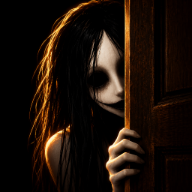
The current official DONT LET HIM IN Roblox description says the threat circles the house, studies players' mistakes, and searches for a way in. It also says light keeps the threat away and that one vulnerable entrance is all it needs.
These are broad published behaviors. The description does not specify exact pathing, speed, aggro radius, hearing range, or probabilities, so those values still need dated game-specific evidence.
The Namesake Problem: A Novel, Not a Creature
The strongest sources that matched the phrase "DONT LET HIM IN" in this research set are about Jewell's thriller, not the Roblox experience. That is the whole reason this article exists.
- A reader in the Psychological Thriller Readers Facebook group posted on September 5, 2025 that she was confused by the audiobook's jumping points of view and timelines, and other commenters agreed the structure was deliberately disorienting.
- Bossy Bookworm's review of Lisa Jewell's novel, published February 18, 2026, describes a man living multiple overlapping lives — a con artist, not a monster.
Neither source says anything about a Roblox game. Anyone who lifts "creepy behavior" language from those pages and applies it to the game is writing fiction. Treat novel reviews as a disambiguation warning, nothing more.
What the Official Game Page Can and Cannot Tell You
The official listing confirms the broad loop: the threat circles the house, studies mistakes, searches for an entrance, and is kept away by light. It also states that players should work together to survive until morning.
It does not publish exact AI pathing, speed, detection radius, encounter duration, or probability values. Do not fill those gaps with genre conventions or details from Lisa Jewell's separate novel.
How to Observe DONT LET HIM IN Creature Behavior Yourself
Community reports about survival games are often accurate, but they go stale fast. Here is a method that produces your own verifiable notes.
- Run a clean session. Join at a quiet hour or in a low-population server so other players don't contaminate your observations.
- Change one variable at a time. Distance, noise, light, line of sight — isolate each one across separate runs.
- Record timestamps, not vibes. Note the moment the creature reacts, not just that it felt fast.
- Repeat each test at least three times. A single encounter is an anecdote; three matching encounters is a pattern.
- Capture video. A clip settles arguments that memory cannot, and it gives you something to compare against patch updates.
- Re-test after every update. Behavior that was true last week is not guaranteed to survive a balance pass.
Label everything you produce as player experience. It is useful, but it is not the same as developer confirmation.
A Field Notes Template for Tracking Creature Behavior
Use a fixed format so your notes stay comparable across sessions. The categories below are observation slots, not claims about this specific game.
| What to log | Why it matters |
|---|---|
| Proximity threshold | Tells you the true aggro range instead of a guessed one |
| Audio cue timing | Sound usually telegraphs a chase before you can see it |
| Line-of-sight behavior | Separates vision-based tracking from noise-based tracking |
| Door and barricade interaction | Reveals whether containment is a real strategy |
| Encounter duration | Shows whether escapes are consistent or random |
| Post-update differences | Flags reworks that invalidate older community reports |
Fill this in yourself, keep the raw clips, and you will know more about DONT LET HIM IN creature behavior than any undated wiki page.
Genre Context Is Not Game Evidence
Roblox survival horror has familiar conventions: an antagonist that patrols, escalates on contact, and forces players toward objectives rather than pure combat. Those patterns are a reasonable starting hypothesis.
They are also exactly the kind of generic reasoning that produces wrong guides. "Most games like this do X" is not evidence that this one does. Use genre knowledge to decide what to test first — then let your own recordings confirm or kill the hypothesis.
If you want the definitive answer, start at the official DONT LET HIM IN Roblox game page and read the developer's own description before you trust a third-party summary.
FAQ
Where can I find verified DONT LET HIM IN creature behavior information? The current official Roblox description confirms that the threat circles the house, studies mistakes, searches for a way in, and is kept away by light. More specific AI statistics still require separate evidence.
Is the Roblox game connected to Lisa Jewell's novel of the same name? No. They are separate works that share a title. A Facebook book-group discussion from September 5, 2025 and a Bossy Bookworm review published February 18, 2026 both cover the novel only — neither references a Roblox game.
Can I trust wiki pages or videos about the creature? Treat them as player experience until you confirm them. This research set contained zero YouTube sources, so there was nothing to cross-check. Verify claims in-game, and re-verify after updates, because AI behavior often changes between versions.
What should I test first when studying DONT LET HIM IN creature behavior? Start with proximity and audio cues. Those two variables tell you how much warning you get, which shapes every other survival decision — where to hide, when to move, and whether a barricade is worth the time.
Related Guides
DONT LET HIM IN House Goes Dark: Official Breach Response
What the canonical DONT LET HIM IN Roblox description says happens after a breach and what players are told to do next.
DONT LET HIM IN How to Hide: Roblox Survival Guide vs. the Lisa Jewell Novel
The official DONT LET HIM IN description tells players to hide after a breach; specific hiding spots and stealth mechanics remain unverified.
DONT LET HIM IN How to Stay Quiet: What the Sources Verify and What They Don't
The official DONT LET HIM IN description tells players to stay quiet after a breach; noise meters and detailed stealth formulas remain unverified.
DONT LET HIM IN How to Use Totem: What We Actually Know About the Roblox Game
The official Roblox game-pass listing includes revive totems; exact in-round activation steps are not specified.